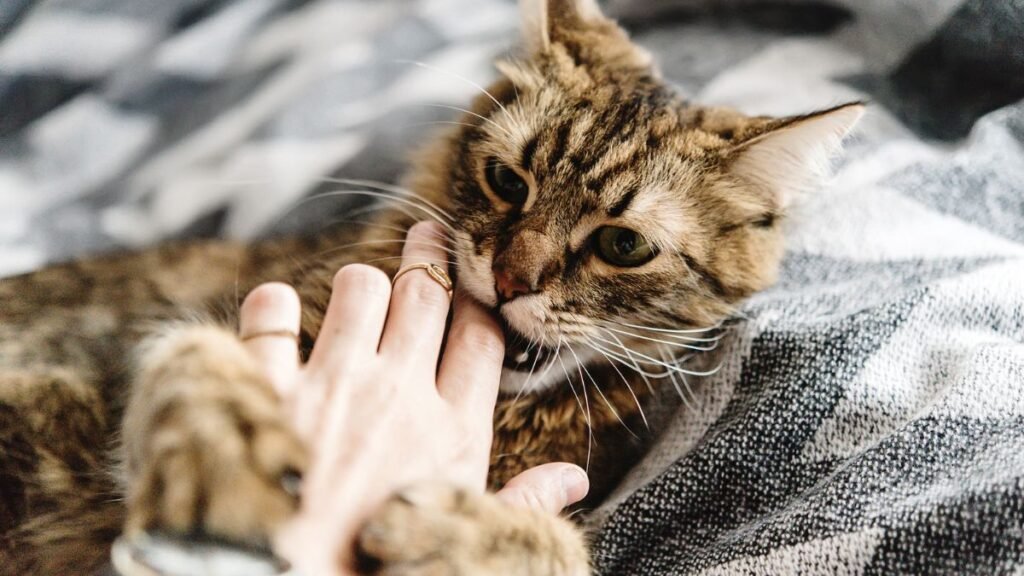
Cats are beloved pets for millions of people worldwide. They are cute and cuddly and provide their owners with hours of entertainment. However, sometimes cats can be unpredictable and aggressive, leaving their owners scratching their heads and wondering why their cats bite them.
Understanding why cats bite is crucial for cat owners to develop a better relationship with their feline friends. While cats may bite for various reasons, it’s essential to identify the root cause of the behavior to prevent it from happening in the future.
This post will explore the common reasons cats bite, from natural feline behavior to medical issues. We’ll also provide tips on how to prevent biting behavior and redirect your cat’s aggression.
By the end of this article, you’ll better understand why your cat may be biting you and how to keep your relationship with your furry friend on the right track.
Why Does My Cat Bite Me?
Cats are often beloved pets that bring joy and companionship to their owners. However, cats sometimes exhibit unpredictable behavior, leaving their owners puzzled and frustrated. One common problem that cat owners face is when their cat bites them. While cat biting can be painful and distressing, it’s essential to understand why cats may exhibit this behavior to prevent it from happening in the future.
Here are some common reasons why cats may bite:
Natural feline behavior: Cats are natural hunters who use their teeth and claws to catch prey and defend themselves. Sometimes, cats may bite their owners during playtime or when they feel threatened or scared.
Overstimulation: Some cats may become overstimulated during petting or playtime, leading them to lash out and bite.
Medical issues: Cats may also bite if they are in pain or discomfort due to an injury, illness, or dental problem.
Territorial aggression: Some cats may bite to protect their territory or resources, such as food or toys.
Lack of socialization: Cats need to be adequately socialized as kittens may exhibit aggressive behavior towards humans.
Preventing cat-biting behavior requires identifying the root cause of the behavior and taking appropriate steps to address it. Providing cats with plenty of toys, playtime, and mental stimulation can help prevent boredom and frustration that may lead to biting. Handling cats gently and respecting their boundaries during playtime and petting are also important.
If a cat’s biting behavior persists, it’s essential to consult a veterinarian or animal behaviorist to rule out any medical issues and develop a behavior modification plan. With patience, understanding, and proper training, cat owners can develop a better relationship with their furry friends and prevent biting behavior.
Identifying the Situations That Cause Your Cat to Bite

Cat biting can be a distressing behavior for cat owners. Identifying the situations that trigger your cat’s aggression is essential to preventing biting behavior and improving your relationship with your feline friend. Here are some common aggression triggers in cats:
Playtime: While playtime is essential to a cat’s life, sometimes cats can become overstimulated during play and lash out with biting and scratching.
Petting: Some cats may enjoy being petted, while others may not. Cats may bite when they are overstimulated, uncomfortable, or feel threatened. Observing your cat’s body language during petting and respecting their boundaries is important.
Strangers: Cats are often territorial animals and may become aggressive towards strangers in their homes or environment.
Pain or discomfort: If a cat is in pain or discomfort due to a medical issue, it may become irritable and aggressive.
Protecting resources: Cats may become aggressive if they feel their resources, such as food, water, or toys, are being threatened or taken away.
Observing your cat’s body language and behavior is important to identify potential aggression triggers. Signs of an impending bite may include hissing, growling, flattened ears, dilated pupils, and a twitching tail. If you notice these signs, giving your cat space and avoiding further stimulating them is essential.
Preventing cat-biting behavior requires addressing the root cause of the aggression trigger. If your cat’s aggression is related to playtime, providing them with appropriate toys and playtime can help prevent overstimulation. If your cat is aggressive towards strangers, providing them a safe space away from visitors can help prevent biting behavior.
In summary, identifying the situations that cause your cat to bite is crucial to preventing biting behavior and improving your relationship with your furry friend. By understanding your cat’s triggers and taking appropriate steps to address them, you can prevent biting behavior and enjoy a better relationship with your cat.
Tips for Preventing Cat Biting
Preventing cat-biting behavior and redirecting it is essential to improve your relationship with your feline friend. Here are some tips for preventing cat biting and redirecting behavior:
Provide appropriate toys and playtime: Providing your cat with appropriate toys and playtime can help prevent boredom and frustration that may lead to biting behavior. It’s important to provide interactive toys that mimic prey-like behavior and avoid rough play with your hands or feet.
Respect your cat’s boundaries: Cats have their boundaries and preferences regarding petting and playtime. Observing your cat’s body language and respecting their boundaries can prevent overstimulation and biting behavior.
Socialize your cat: Socializing your cat with people and other animals from a young age can help prevent aggressive behavior towards humans and other pets.
Avoid punishment: Punishing your cat for biting can worsen the problem and damage your relationship with your cat. Instead, redirect your cat’s behavior by providing appropriate toys and playtime.
Seek professional help: If your cat’s biting behavior persists, it’s essential to seek professional help from a veterinarian or animal behaviorist. They can help identify the root cause of the behavior and develop a behavior modification plan.
In summary, preventing cat-biting behavior requires providing appropriate toys and playtime, respecting your cat’s boundaries, socializing your cat, avoiding punishment, and seeking professional help. Redirecting your cat’s behavior through positive reinforcement and appropriate toys and playtime can prevent biting behavior and improve your relationship with your feline friend.
How to Treat a Cat Bite
If a cat has bitten you or anyone in your household, it’s important to prevent infection and ensure proper healing immediately. Here are some steps you can take to treat a cat bite:
Wash the wound: Rinse the wound under running water for at least five minutes to remove dirt or debris. Use mild soap to clean the area around the wound.
Apply pressure: Use a clean, dry cloth to pressure the wound to stop bleeding gently.
Apply an antiseptic: Apply an antiseptic solution or ointment to the wound to prevent infection. Over-the-counter antiseptics such as hydrogen peroxide or iodine can be used.
Bandage the wound: Cover it with a sterile bandage or adhesive strip to keep it clean and protected.
Monitor the wound: Check the wound daily for signs of infection, such as redness, swelling, or discharge. If the wound shows signs of infection, seek medical attention.
Seek medical attention: If the wound is deep, bleeding heavily, or shows signs of infection, seek medical attention. A healthcare professional may prescribe antibiotics or recommend a tetanus shot.
Always seek medical attention if the wound is deep or shows signs of infection to ensure proper healing and prevent complications.
When to Consult a Veterinarian
If your cat’s biting behavior is persistent or other concerning symptoms accompany it, it’s important to consult a veterinarian. Here are some situations when it’s essential to seek veterinary help:
Aggression towards humans or other pets: If your cat’s biting behavior is persistent and directed towards humans or other pets, it’s important to seek veterinary help. Aggressive behavior can be a sign of an underlying medical condition or a behavior problem that requires professional intervention.
Sudden behavior change: If your cat’s biting behavior is a sudden behavior change, it may be a sign of a medical condition that requires veterinary attention. For example, dental pain or an injury can cause sudden changes in behavior.
Injuries from biting: If your cat’s biting behavior has injured you or anyone in your household, it’s important to seek veterinary attention. Bites can lead to infections or other medical complications that require medical treatment.
Other concerning symptoms: If your cat’s biting behavior is accompanied by other concerning symptoms such as lethargy, loss of appetite, or vomiting, it may be a sign of an underlying medical condition that requires veterinary attention.
In summary, if your cat’s biting behavior is persistent, sudden, or accompanied by other concerning symptoms, it’s important to seek veterinary help. A veterinarian can help identify the underlying cause of the behavior and develop an appropriate treatment plan.
Conclusion
Cat biting behavior can be a distressing experience for cat owners, but with proper understanding and management, it is possible to develop a better relationship with your feline friend. By identifying the situations that trigger your cat’s biting behavior and taking appropriate steps to prevent and redirect it, you can improve your relationship with your cat and enjoy a happier, healthier bond.
Remember to provide appropriate toys and playtime, respect your cat’s boundaries, socialize your cat, avoid punishment, and seek professional help if needed. Following these tips and better understanding your cat’s behavior can build a strong and lasting relationship with your furry companion.
Preventing and managing cat-biting behavior requires patience, understanding, and a commitment to providing your cat with the care and attention they need. By taking the necessary steps to prevent and redirect biting behavior, you can develop a better relationship with your cat and enjoy a lifetime of love and companionship.