
DOG & CAT HEALTH
Understand your pet. Know what to do next.
Practical guidance on symptoms, food safety, behavior and everyday care — written for dog and cat owners who want a clear answer, not a diagnosis.
Start with: Symptoms · Food Safety · Dog Care · Cat Care

Choose where to start.
Find the right place to begin — from symptoms and food safety to everyday behavior.
Featured guides
Health and food-safety questions pet owners come back to most.

Dog diarrhea: when should you worry?
Duration, hydration, blood, vomiting, age and behavior all change how quickly a dog should be evaluated.
Read the guide →
Plain, cooked skins are usually fine in small amounts — the real risk comes from seasoning, frying and green or sprouted potatoes.

Occasional vomiting can be normal, but frequency, timing and what comes up help separate a minor upset from something that needs a vet.

A common allergy medication for people, used carefully in dogs too — dosage and timing matter more than most owners expect.

Brushing, bathing and nail-care routines that keep coat and skin healthy without turning grooming into a fight.
Better dog care starts here.
Practical answers for health concerns, food safety and everyday care.

CATS
Cat care starts with noticing small changes.

Onions, garlic, chocolate and a handful of everyday foods that are riskier for cats than most owners realize.

Coat, instinct and a few evolutionary habits explain one of the most-asked questions about cat behavior.

From Maine Coons to Siberians, a look at the biggest domestic cat breeds and what makes them so large.

A cat skipping one meal is rarely urgent — going without food much longer than that is when it becomes a real concern.
FOOD SAFETY
Can your pet eat it?
Search AnimalsCell’s existing food-safety guides below — this searches our published articles, it isn’t a live ingredient database.
Popular: Potatoes · Broccoli · Beans · Fruits & vegetables · Foods cats should avoid
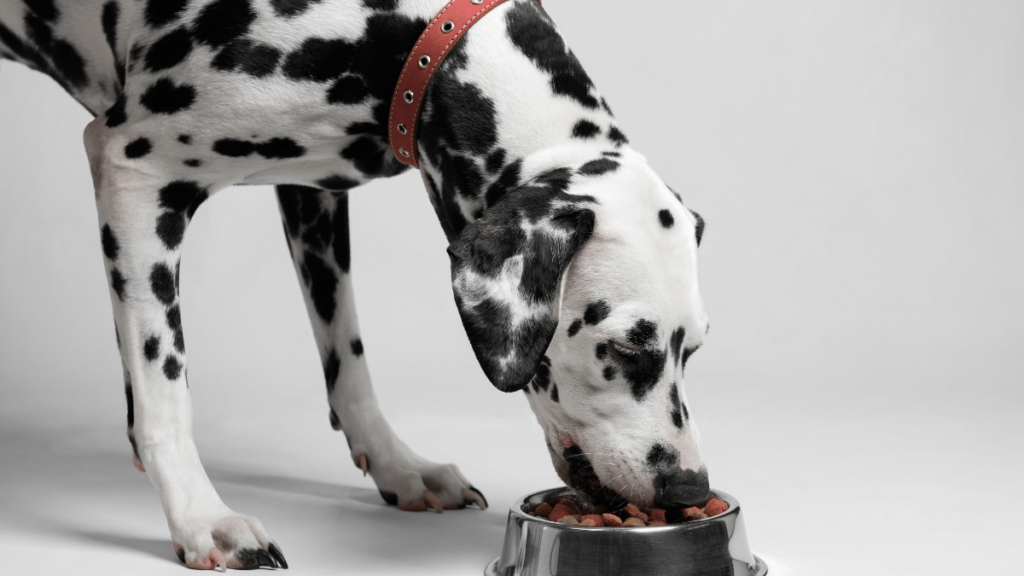
Common concerns, organized by what you’re noticing.
Grouped from our existing health guides — not a diagnostic tool.
Digestive & stomach
Dog — Dog diarrhea: when to worry
Cat — Cat vomiting: causes & treatment
Cat — Helping a constipated cat
Appetite & eating changes
Cat — When a cat stops eating
Allergies & medication
Dog — Zyrtec for dogs: what to know
Pregnancy & life stages
Dog — How long are dogs pregnant?
Educational information only — not a substitute for examination or diagnosis by a veterinarian.
Health information should be understandable — and verifiable.
AnimalsCell separates urgent warning signs from routine advice, links health claims back to sources, and marks the point where a vet visit matters more than an article.